Why Half of Shoppers Feel CPG Brand Experiences Are Impersonal
Why Half of Shoppers Feel CPG Brand Experiences Are Impersonal
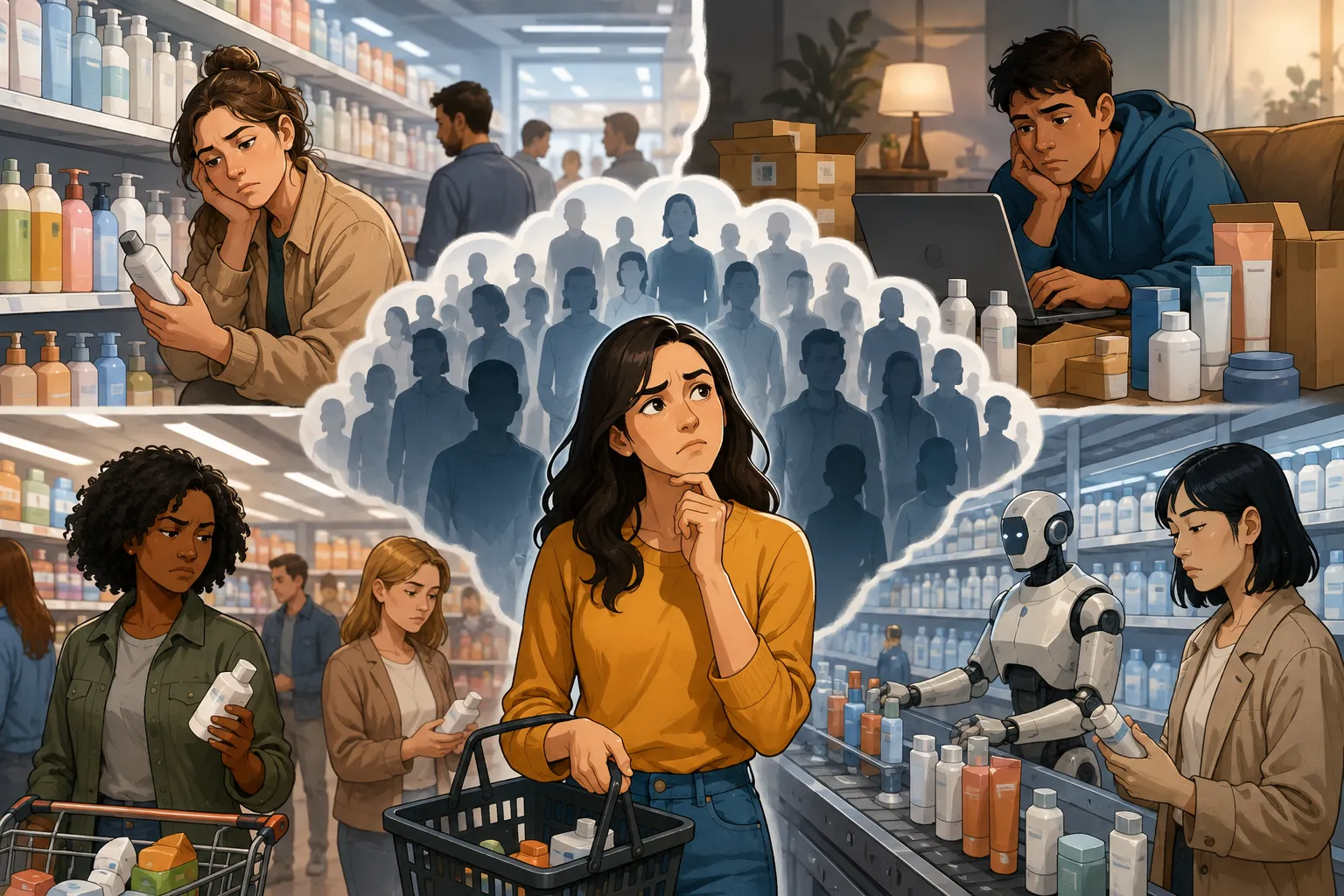
Approximatelyhalf of shoppers say their experiences with CPG brands feel generic — likethey're being treated as a category average rather than as a person with actualpurchase history and discernible preferences.
Thisis a remarkable finding given how much shopper data CPG brands now have accessto. Retailer loyalty programs capture individual purchase behavior at scale.Retail media platforms enable segment-level targeting. First-party dataprograms collect direct consumer signals. The data to personalize exists. Thepersonalization mostly doesn't.
Thegap between data capability and shopper experience is the CPG personalizationproblem. Here's where it comes from and what closing it actually requires.
"Approximately half of shoppers report thatCPG brand experiences feel impersonal despite brands having access to moreshopper data than at any point in history." — Snipp Interactive
Why the data doesn't automatically become personalization
Havingshopper data and using it to personalize are two different organizationalcapabilities. Most CPG brands have invested heavily in the first and modestlyin the second.
Thedata sits in multiple disconnected systems: retailer loyalty data in a retailerdata services platform, DTC purchase data in an e-commerce system, consumerpanel data in a NielsenIQ or Circana subscription, CRM data in a marketingautomation tool. Each system has its own access requirements, its own format,and its own team that manages it. Synthesizing across them to build a coherentshopper view that can actually drive personalized activation requires dataintegration work that most brands haven't done.
Evenwhen the data is accessible, the activation infrastructure to deliver personalizedexperiences at scale requires technology and process that most CPG marketingorganizations aren't set up to run. A personalized email to 500 DTC subscribersis achievable with standard marketing automation. A personalized offerdelivered to 2 million loyalty card holders across three retail partnersrequires retailer data agreements, offer management infrastructure, andcoordination between the brand's promotional team and three different retailmedia platforms simultaneously.
The organizational barrier: who owns personalization?
Thedeeper problem is organizational rather than technological. Personalization atscale requires someone to own the end-to-end experience — from data access toaudience segmentation to offer design to delivery to measurement. In most CPGorganizations, those responsibilities are split across the insights team (dataaccess), the trade team (promotional design), the retail media team (delivery),and the analytics team (measurement). Nobody owns the whole thing.
Thebrands that have closed the personalization gap have typically created a role —a shopper personalization lead, a commerce data strategist, or a similar title— whose explicit job is to connect those four functions into a coherentprogram. Without that connective role, personalization stays on the roadmapindefinitely because the coordination required to execute it doesn't happenorganically across four separate teams.
→ Loyalty+ Retail Media — agencyfiveeighty.com/loyalty-data-retail-media-promotions
→ Creative& Content — agencyfiveeighty.com/creative-and-content
What closing the gap actually looks like
Closingthe CPG personalization gap doesn't require building a sophisticated machinelearning infrastructure. It requires three connected things that are achievablefor most mid-size CPG brands.
1. Segment clarity: definethree to five specific shopper segments based on purchase behavior — loyalbuyers, lapsed buyers, competitive switchers, new category entrants, high-valueoccasional buyers. Keep the segmentation simple enough that every team membercan describe what each segment looks like and what you want them to do next.
2. Differentiated activation:design a different promotional and messaging approach for each segment. Notdramatically different — the brand voice and the core product communicationstay consistent. But the offer mechanic, the discount depth, and the messageemphasis are calibrated to what each segment needs to take the next behavioralstep.
3. Measurement by segment:track performance separately for each segment activation. Not just redemptionrate — repeat purchase rate in the 90 days after the promotion, basket sizechange, and shift in purchase frequency. Those downstream metrics are what tellyou whether the personalization is building the relationship or just movingproduct.
FiveEighty builds the segmentation and activation architecture that closes the gapbetween the data brands have and the experiences shoppers feel. Because theopportunity to use the data well is still, for most CPG brands, largelyuntapped.