Beyond Cookies: How Retail Media Future-Proofs Your Targeting Strategy
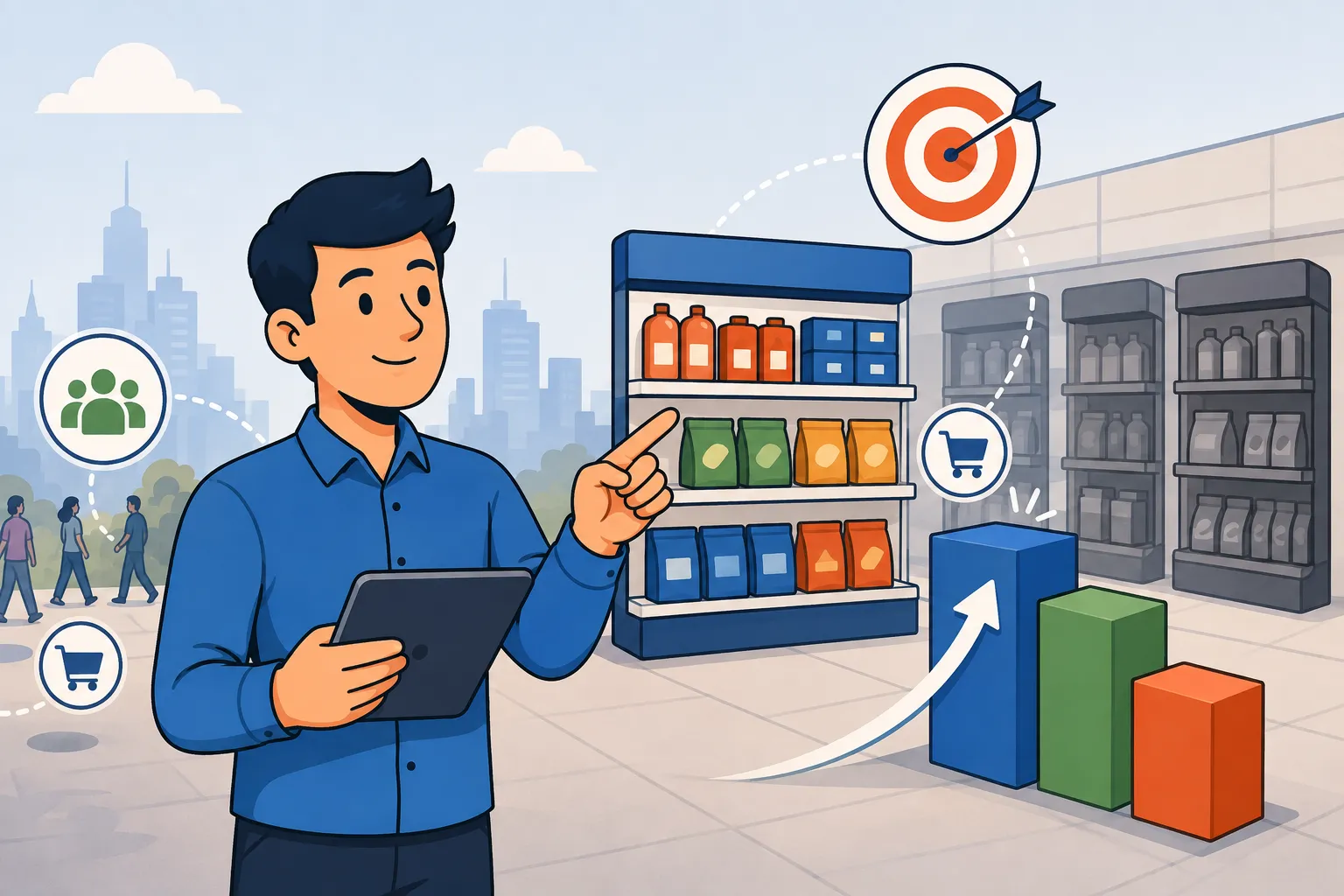
Beyond Cookies: How Retail Media Future-Proofs Your Targeting Strategy
For the last two years, everymarketing conference has had at least one panel called some thing like"Preparing for a Cookieless Future." Here's the thing nobody says outloud: for retail media, that future already happened. It's not coming. It'shere, and brands who leaned on retail media early are the ones who aren't panicking right now.
Third-party cookies track peoplearound the open web based on guesses. Retail media runs on something completelydifferent — actual purchase history from actual shoppers who actually boughtthe product. Walmart knows who bought diapers last Tuesday. Kroger knows who'sbeen buying the same brand of coffee for three years and just switched. That'snot a cookie doing inference work. That's a receipt.
Why Retail Media Data Was Never at Risk
The cookie apocalypse was alwaysan open-web problem. Publishers, ad networks, and programmatic platforms built their entire targeting model on tracking anonymous browsers across sites they didn't own. Retailers never had that problem, because they weren't guessing who you were — they were ringing up your groceries.
That's the quiet advantage retail media networks have had this whole time. Walmart Connect, Kroger Precision Marketing, Instacart Ads, Target's Roundel — every one of these runson deterministic, logged-in, transaction-verified data. No cookie required,because the retailer already knows the customer.
What This Actually Means for Your Media Plan
If your targeting strategy stillleans heavily on open-web programmatic and third-party audience segments, you're building on sand that's already shifting. The brands moving budget intoretail media aren't doing it because it's trendy — they're doing it because it's the one channel where identity resolution isn't a guessing game.
That doesn't mean open-web media disappears. It means the mix changes. Retail media becomes the anchor — the place where you know, with real confidence, who you're reaching and whatthey've bought before. Everything else gets built around that core instead ofthe other way around.
How to Actually Future-Proof Your Strategy
Start by auditing how much ofyour current targeting depends on third-party signals that are quietly degrading. Then look at what first-party retailer data you're not using yet —loyalty program data, past purchase behavior, category affinity. Most brands aresitting on retail media budget that's still being spent like it's 2019 open-web display.
Build lookalike and retargetingstrategies off actual purchasers, not inferred web behavior. Push for closed-loop reporting from every retail media partner you work with, becausethat's the only way to know if the spend is actually working. And treat everyretailer's first-party data as a distinct, valuable asset — Walmart's data isn't Kroger's data, and neither behaves like Meta's.
The Bottom Line
The brands worried about cookiesgoing away are usually the ones who never built a real retail media foundationto begin with. If you've been treating retail media as a nice-to-have line iteminstead of the backbone of your targeting strategy, this is the year that catchesup with you.
Five Eighty helps brands buildretail media strategies rooted in the data that actually holds up — not thedata that's already disappearing. If your targeting plan still leans on cookies, let's talk about what comes next.