The CPG Marketer's Guide to Shopper Journey Personalization
The CPG Marketer's Guide to Shopper Journey Personalization
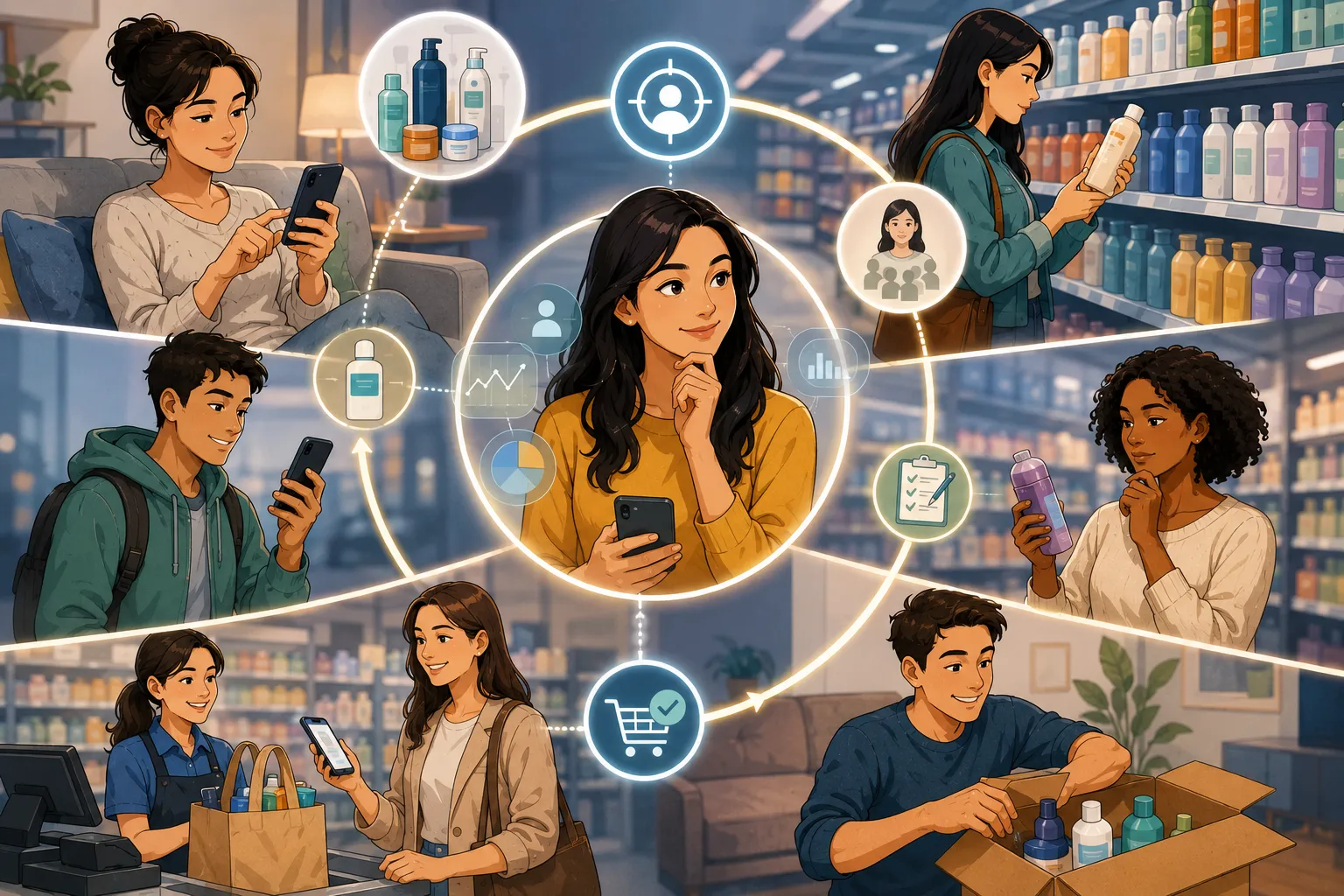
Personalizationis not a one-time offer. It's not a targeted coupon or a segmented email or aloyalty reward. Done well, personalization is a consistent experience acrossevery touchpoint in the shopper's relationship with your brand — where themessage, the offer, and the investment all reflect what you actually know aboutthat shopper rather than what you assume about a demographic average.
MostCPG brands personalize one touchpoint well and deliver a generic experience atevery other point in the journey. The loyal buyer who receives a personalizedloyalty reward at Kroger then gets a mass email blast with a discount theydidn't need. The lapsed buyer who is targeted with a re-engagement offerthrough retail media then receives the same full-price in-store communicationas every other shopper.
Journey-levelpersonalization is harder than single-touchpoint personalization. It's alsowhere the real loyalty value is built.
"Brands that personalize across three ormore touchpoints in the shopper journey see 3x the loyalty improvement ofbrands personalizing a single touchpoint." — dunnhumby
Mapping the touchpoints where personalization is possible
Beforeyou can personalize a journey, you have to map where the brand actually touchesthe shopper and where personalization is technically feasible at eachtouchpoint.
- Pre-shop digital: retailerapp browsing, search on retailer dot-com, email from the brand or retailer.Personalization is feasible through loyalty targeting and email segmentation.Most brands are doing some version of this.
- In-store at the moment ofdecision: shelf placement isn't personalizable, but in-store media, digitalscreens, and proximity-triggered mobile offers can be personalized by shoppersegment based on app data. Fewer brands are doing this well.
- At the register: loyaltyprogram offers applied at checkout, cashback rewards, bonus point activations.Feasible and moderately common. Often not coordinated with pre-shop messaging.
- Post-purchase: follow-upemail, loyalty account notifications, next-best-offer based on what was justpurchased. High personalization potential, low execution rate at most brands.
- Between purchase occasions:re-engagement for lapsed buyers, frequency rewards for high-value loyalists,cross-category trial prompts based on basket history. Highest personalizationleverage, lowest execution rate.
→ PersonalizationGap — agencyfiveeighty.com/cpg-brand-personalization-gap
→ ShopperMarketing — agencyfiveeighty.com/shopper-marketing
The message consistency problem
Thepractical challenge of journey personalization is maintaining messageconsistency across touchpoints that are managed by different teams withdifferent tools. The pre-shop email is managed by a CRM team. The in-storemedia is managed by the retail media team. The post-purchase loyalty offer ismanaged by the trade team with the retailer. Each team is executing their pieceof the journey independently.
Theshopper experiences the outputs of all three teams as one brand relationship.When those outputs are inconsistent — different messages, different offermechanics, different discount depths for the same segment across touchpoints —the personalization feels incoherent. The shopper got three different thingsfrom the same brand and none of them felt like they were designed for herspecifically.
Solvingthe consistency problem requires a brief that spans all three touchpoints —specifying the segment, the message strategy, the offer mechanics, and thetiming across the full journey before any single team executes their piece.Most CPG brands don't have a brief format that does this. Building one is aone-time investment that improves every subsequent campaign.
Starting with the highest-leverage touchpoint
Ifyou're building journey personalization from scratch, start with the touchpointthat has the highest data quality and the clearest behavioral objective. Formost brands at major grocery retailers, that's the between-purchase-occasiontouchpoint — reaching lapsed buyers with re-engagement offers and loyal buyerswith frequency rewards through the retailer's loyalty platform.
Getthat touchpoint working well — clean segmentation, differentiated offers,post-redemption measurement — and then extend the consistent approach to theadjacent touchpoints: pre-shop digital targeting that sets up thebetween-occasion offer, and post-purchase follow-up that reinforces the loyaltyreward. Build the journey one stage at a time, with each new touchpointconnected to the segments and messaging established in the first.
FiveEighty designs shopper journey personalization programs from the segmentdefinition outward — starting with who the shopper is and what they need to donext, then building the touchpoint architecture that moves them thereconsistently.