Content at Scale: How AI and Human Creativity Work Together for Brands
Content at Scale: How AI and HumanCreativity Work Together for Brands
There are two loud camps in the AI content debate right now.
One says AI will replace creative teams entirely. Just prompt, publish, repeat. The other says AI content is soulless slop and real brands should stay far away.
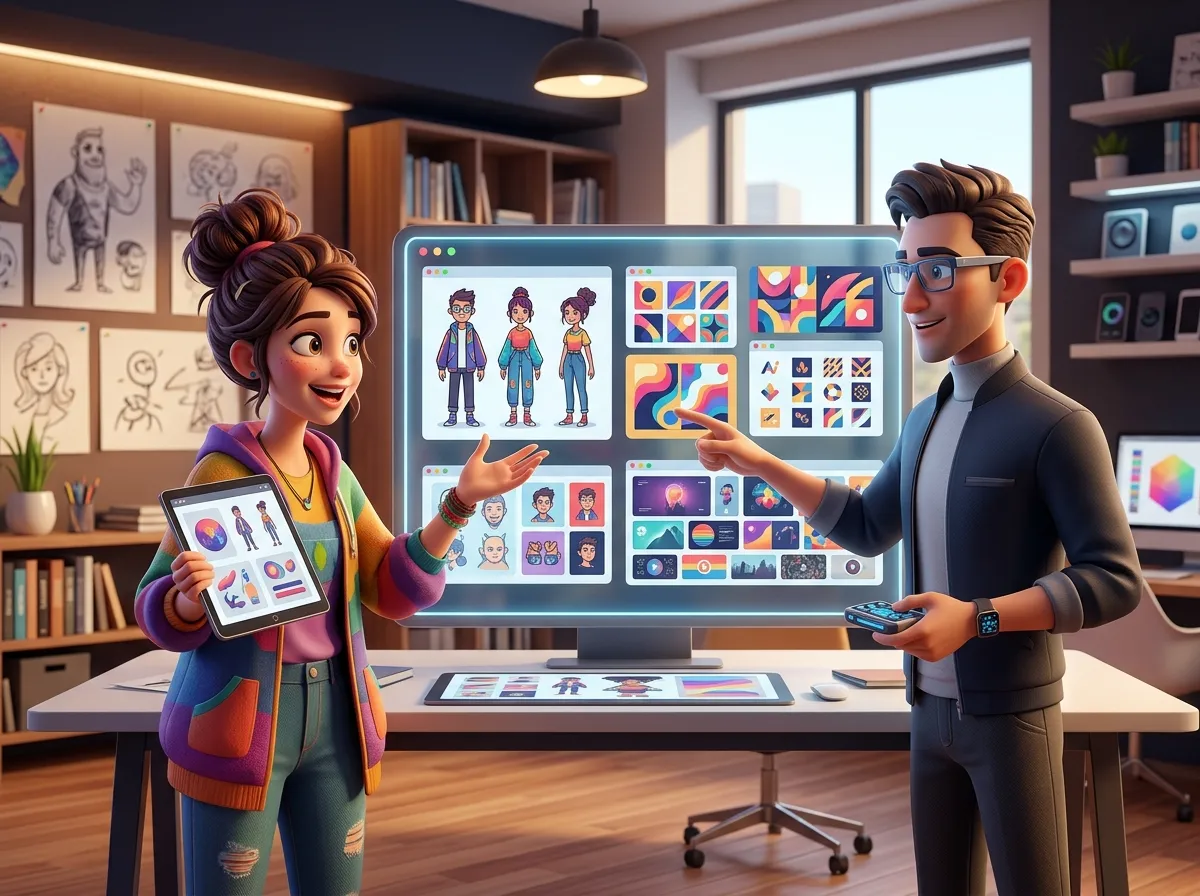
We think both are missing the point. The brands getting the most out of AI aren't replacing people or avoiding the tools. They're splitting the work smartly. Humans do the thinking that makes content worth making. AI does the heavy lifting that makes content possible at the volume commerce now demands.
Why the volume problem is real
Commerce has turned content into a numbers game. Every retailer wants its own image specs. Every retail media network has different ad formats. Product pages need multiple images, enhanced content and copy tailored to search. Social platforms want vertical, horizontal, square, short, shorter.
One campaign idea can easily turn into hundreds of individual assets. Traditional production, where every asset is built by hand, can't keep up without massive budgets or massive delays. That's the gap AI is genuinely good at filling.
What AI does well
Resizing and reformatting. Adapting a master asset to dozens of sizes, ratios and placements.
Variations for testing. Generating multiple headline options, background swaps or color variations so you can test more ideas.
First drafts of copy. Product descriptions, bullet points, alt text and ad copy variations, especially for big catalogs.
Localization and personalization. Tweaking copy and visuals for different regions, retailers or audience segments.
Background and scene generation. Placing product shots into new environments without a new photo shoot, where it looks believable and fits brand standards.
Speeding up production. Removing tedious, repetitive tasks so creative teams can focus on the work that actually needs a human.
What humans still do better
The idea. AI is great at remixing what exists. The fresh, surprising concept that makes a shopper stop and remember a brand still comes from people who understand culture, the category and the shopper.
Taste and judgment. Knowing which of the 40 variations is the right one, and which ones are technically fine but off-brand, is a human skill.
Brand voice. AI can imitate a voice once it's defined. Defining it and protecting it takes people who care.
Strategy. Deciding what to say, to whom and why. AI can help analyze, but it doesn't own the decision.
Accountability. Claims, regulatory compliance, cultural sensitivity and accuracy need human review, especially in categories like bev-alc and health and beauty, where a wrong claim can cause real problems.
How to build a hybrid workflow
Humans set the strategy and the core idea. Briefs, insights, key messages and the master creative come from your team or agency.
Build a clear brand system. Document the voice, visual rules, approved claims and no-go zones. This is what keeps AI output on brand.
Use AI for expansion and adaptation. Once a master asset is approved, use AI tools to create sizes, variations, copy versions and localizations.
Humans review before anything goes live. Every AI-assisted asset gets a quality and compliance check. Speed is pointless if you publish mistakes faster.
Test and learn. Use the extra variations AI enables to run more creative tests, then feed what you learn back into the next brief.
Watch the risks
AI tools come with real considerations. Rules around intellectual property, likeness rights and disclosure for AI-generated content are still evolving and vary by platform and region, so loop in your legal team. Some retailers and platforms have their own policies about AI-generated imagery, especially for product representation. And never let AI "improve" what the product actually looks like. If the pack in the ad doesn't match the pack on the shelf, you've got a trust problem.
A quick scenario
A health and beauty brand is launching a product line across several retailers, each needing different image sizes, product page content and retail media formats. Under the old process, production would take many weeks.
Under the hybrid process, the creative team develops the core concept, hero photography and master copy. AI tools generate format variations, draft product page copy for each retailer and create multiple headline options for testing. The team reviews everything for accuracy, claims compliance and brand fit, cuts what doesn't work and refines the rest. Launch content is ready much faster, with more options to test and the same brand standard.
The bottom line
AI doesn't replace creativity. It replaces the grind that used to eat creativity's time. Let people own the ideas, the taste and the accountability. Let AI handle the scale.
Five Eighty helps brands pair strategic, human-led ideas with AI-assisted production, so they get more content without losing what makes it theirs. If your content needs are outgrowing your production capacity, let's talk about a smarter setup.